
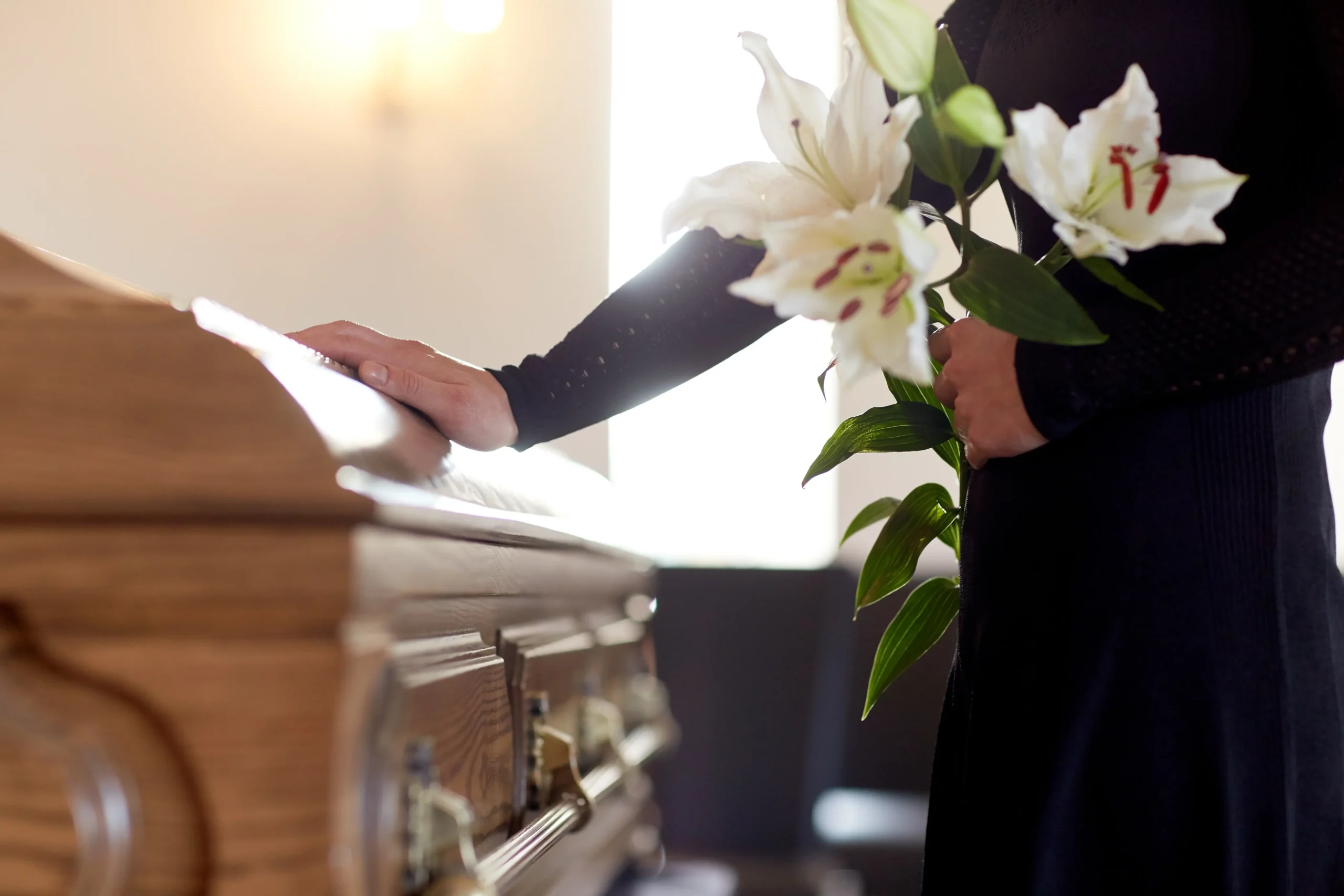
The death of a loved one often involves having to make difficult decisions during an emotional time. It can be hard to know where to begin if you’ve never planned a funeral before. While every family’s experience is unique, having a starting point to guide you through the basics of funeral planning can make these important decisions feel more manageable.
What Is a Funeral?
A funeral is a gathering that pays tribute to someone who has passed away. A funeral provides an opportunity for friends and family to get together, remember the person’s life, and grieve in company with others.
There are numerous funeral traditions, and they vary widely depending on the culture, religious beliefs, family values, and personal preferences. Some services follow longstanding customs, while others are highly personalized. Regardless of the type you choose, the essence of a funeral is that it gives people the chance to remember and connect through shared memories. For many, it’s an important part of the grieving process.
What Happens at a Funeral?
If you have never attended a funeral, you may not know what to expect or what needs to be planned. While every service is unique to the individual, most funerals include many of the same elements. For example, some of them may have a period of viewing and mourning where friends and relatives can pay their respects and spend some time with the family before the funeral service.
Depending on any documented last wishes or what’s been decided by the family, the service may be followed by a burial or ceremony at the cemetery. Sometimes there is also a reception afterward.
The duration can vary depending on the type of service, where it’s held, and any religious or family customs. Some may only last about an hour, while others can last all day. Every funeral is different because it’s personalized to reflect the person being remembered.
Why Are Funerals Important?
A funeral can offer comfort by bringing together those who knew and cared for a loved one, creating space for shared support.
There is no right or wrong way to grieve, and everyone experiences loss differently, but having the opportunity to reflect, remember, and recognize the impact your loved one had on those around them can help you process their loss and your own emotions.
Who Is Responsible for Planning a Funeral?
Funeral arrangements are usually made by the closest surviving family members. This could be a spouse, adult children, parents, siblings, or whoever was given legal authority in the will or testament. If a loved one pre-arranged their funeral or documented their wishes in advance, those plans will guide many of the decisions involved in planning their funeral or memorial.
However, when there are no existing plans, the funeral is usually planned by the family members. If you’re planning a funeral for a loved one, there are funeral directors, cemetery staff, and other experienced professionals who can also help you understand your options and assist you throughout the planning process.
The Most Common Types of Funeral Services
Traditional Funeral Service
A typical funeral includes a visitation or viewing followed by a formal service or ceremony and a burial or cremation afterward. These series of events can be held at a funeral home, place of worship, cemetery chapel, or another meaningful location.
Graveside Service
A graveside service is held at the burial site in the cemetery. It can serve as the primary gathering, but sometimes it is a separate event that takes place after the funeral ceremony. The service brings everything together in one place and can offer a sense of closure.
Memorial Service
A memorial service is similar to a funeral but without the presence of a casket or urn. This kind of service is typically scheduled after the burial or cremation and is a good option if you need more flexibility to coordinate family travel or want more time to plan the details.
Celebration of Life
A celebration of life is typically more informal, focusing on sharing memories, stories, and accomplishments. These gatherings are highly personalized and often include favorite music, photos, and videos.
Religious Funeral Service
Religious funeral services incorporate faith-based customs, traditions, prayers, readings, and rituals that hold significance for the deceased and their family. The structure of a religious funeral will vary depending on the religion that is being practiced.
How to Plan a Funeral: Step-by-Step
Review Any Pre-Arranged Wishes
One of the first things to consider when planning a funeral is if your loved one left instructions. They may include whether they would like to be buried or cremated, any cemetery arrangements, or where they would like the service held. Following their wishes makes these decisions easier and ensures the service reflects what was important to them.
Choose Burial or Cremation
The decision between burial and cremation will influence many of the other decisions that need to be made. It’s usually one of the first choices you will need to make because it can affect choices like cemetery arrangements and memorial options. Religious beliefs, personal preferences and family traditions, can also influence the decision of whether to cremate or hold a traditional burial.
Select a Funeral Home and Cemetery
Funeral homes and cemeteries serve different roles in the planning process, but they complement each other. Funeral homes facilitate the coordination of services, transportation, and handle documentation, while cemeteries assist in making burial arrangements, interment locations, and memorialization options.
Decide on the Type of Service
Once burial or cremation arrangements have been made, you can choose the type of gathering that best reflects the life of your loved one. Regardless of the type of funeral you choose, the goal is to create a meaningful experience that honors their memory and gives people a chance to mourn and remember them in the company of family and friends.
Personalize the Service
One of the best ways to pay tribute is to tailor the funeral to reflect the person’s interests, values, and legacy. Incorporating elements that celebrate the person’s life and contributions and adding personal details can create a service that feels personal and memorable while providing comfort to their family and friends.
Notify Family and Friends
After all the arrangements have been finalized, you can share the details publicly. This entails writing an obituary, publishing the service information, and making sure any important details are communicated directly. Most funerals take place within a week of a death, but the exact timing can vary based on what arrangements and plans have been made.
Planning Ahead Can Ease Future Burdens
While funeral arrangements are typically made after a loss occurs, preplanning provides people with the opportunity to record all their wishes in advance. Recording your preferences for burial, cremation, cemetery property, or other details like headstone preferences can provide guidance for loved ones in the future.
Pre-planning helps reduce uncertainty so families can focus on supporting one another instead of making difficult decisions during a time of grief.
How Troost Cemeteries Supports Families
At Troost Cemeteries, we understand that funeral planning involves far more than logistics. Families are often making important decisions while navigating grief, uncertainty, and a wide range of emotions.
Our team provides guidance on burial options, memorialization choices, and long-term planning. We work closely with families to answer questions, explain available options, and help coordinate arrangements across any of our nine properties with care and compassion. Most importantly, we want families to know they do not have to navigate the planning process alone.
If you have questions about planning a funeral, burial options, or cemetery services, our staff can help you understand your options so you can make these decisions with confidence and care.